
Friends:

Do we need a whole new kind of 
money, a la crypto?

It certainly has attractive attributes.  But its pitfalls are many as well, and as plain to see as a tulip bulb in seventeenth-century Amsterdam.   

Deep down, we know that much of what ails us cannot be fixed by technological disruption and financial cleverness.  What we need is economic healing.  Which would be an awfully Pollyanna-ish thing to say if we hadn’t seen it in action and felt it for ourselves.  
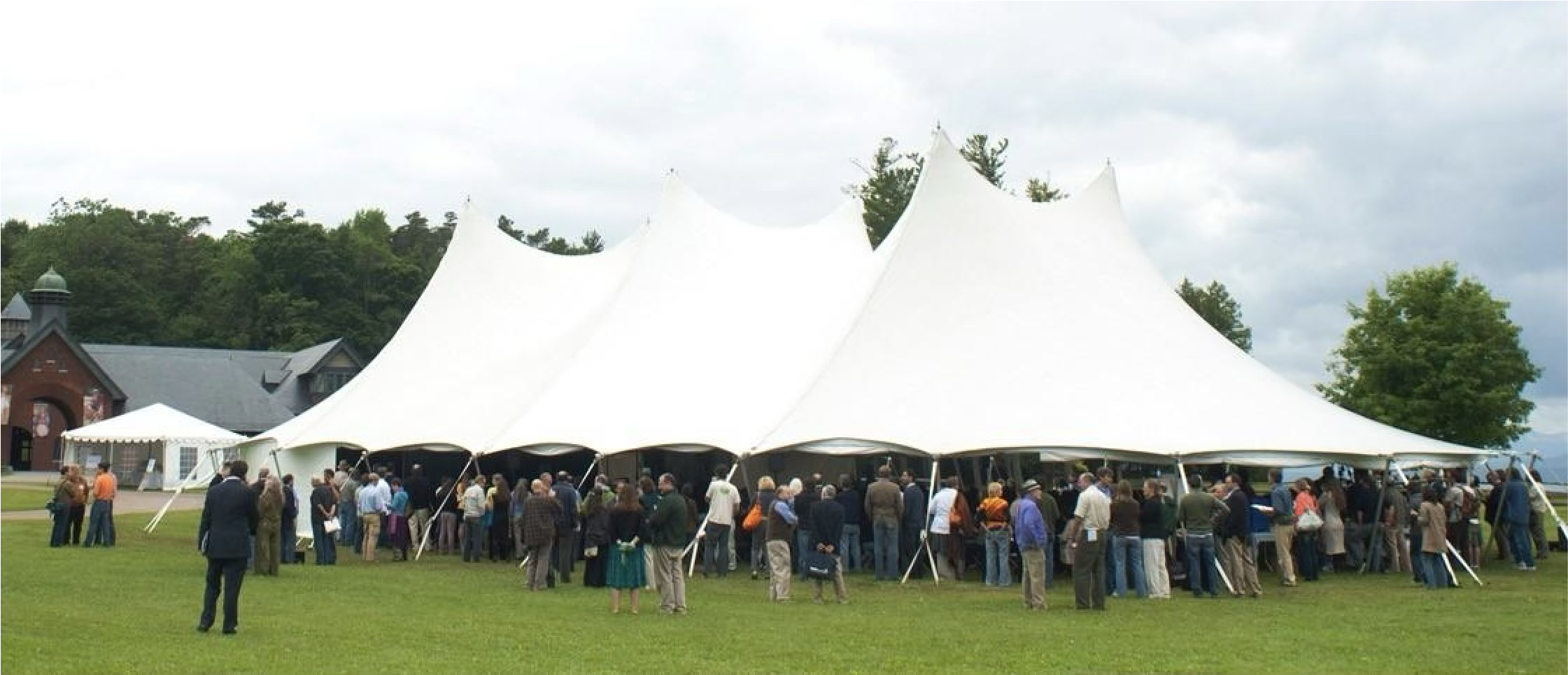
“There was a moment when I looked around the tent at Shelburne Farms to see the wonderful old codgers who have been farming in Vermont for generations, sitting with young environmentalists and food entrepreneurs and New York investment types, all nodding in agreement. Wow. Talk about being the change we seek. It was a profoundly hopeful moment.”   – BRIAN BYRNES, PRESIDENT, SANTA FE COMMUNITY FOUNDATION. AT SLOW MONEY NATIONAL GATHERING, SHELBURNE FARMS, VT

What we have found is that even in the age of impossible burgers and bitcoin, there’s hunger for an alternative.  An alternative to ultra-processed food and ultra-processed finance. An alternative to fast food and fast money.  An alternative to anonymity and speculative frenzy. 

Every time we come together under the loose but meaningful banner of slow money, we’re voting for that simpler, more humane, healthier alternative. 

Yet $100 million flowing to 1000 organic farms and local food businesses in scores of communities over 15 years, while quite significant, even remarkable in some contexts, remains, in the scheme of things, a smattering of small healing doses, a scattering of seeds.  

How do we grow these seeds into a full-fledged, widespread movement?  It starts with taking an unambiguous stand when it comes to financial returns. 

At the outset, we were committed to “below-market” lending, getting funding to farmers who did not have access to or did not want institutional funding.  And while the pay-it-forward ethos of what we are about has always been central, we could see over time that it is not fully realized via a non-portfolio of non-standardized loans made by lenders who have no structured connection to one another or the community.  These informal flows of capital are beautiful—extremely beautiful, as anyone who has been in any of the rooms where they happen will attest—but they do not, in and of themselves, build long-term local capacity in a systemic way.  

0% loans made locally with donated capital do.   

They connect the loans, the people who make them and the local food community in a system that builds long-term resilience.  All the returns stay in—in the farm, in the soil, in the local food system, where they recirculate in perpetuity and grow.  Make the loans cooperatively, one person, one vote no matter the size of a member’s donation, and the story takes on even more resonance.

Now, add an online community of grassroots donors who want to help grow the family of local 0% loan groups. This is a recipe for systemic change.   

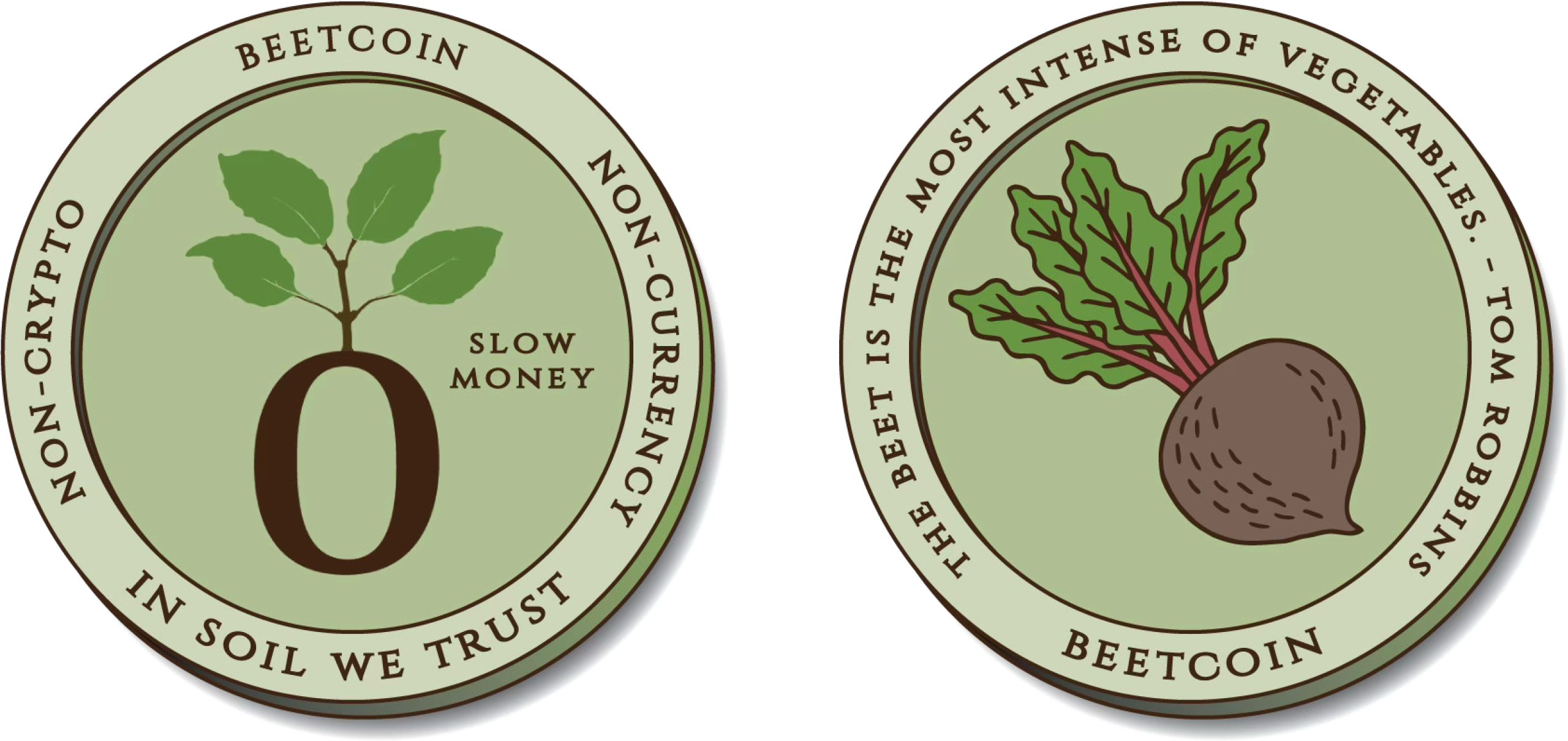
Beetcoin has been coming into view gradually since 2014, when the first beetcoin campaign, at our national gathering in Louisville (KY), raised $100,000 and made three 0% loans, including $60,000 to Bauman’s Cedar Valley Farm of Garnett, KS. Three years later, when Rosanna Bauman graced the stage in Boulder and handed us a check for $60,000, we knew we were on to something.

This has been a patient, iterative process of exploration and incubation, involving thousands of folks.  Through its many twists and turns, we’ve been kept on track by shared vision and an abiding sense of affection:  

“As imagination enables sympathy, sympathy enables affection.  And in affection we find the possibility of a neighborly, kind, conserving economy.”    
-Wendell Berry, It All Turns On Affection 

Berry goes on to recognize that “there is some risk in making affection the pivot of an argument about economy.”  We can report that this risk is easily be dissipated by a smile.

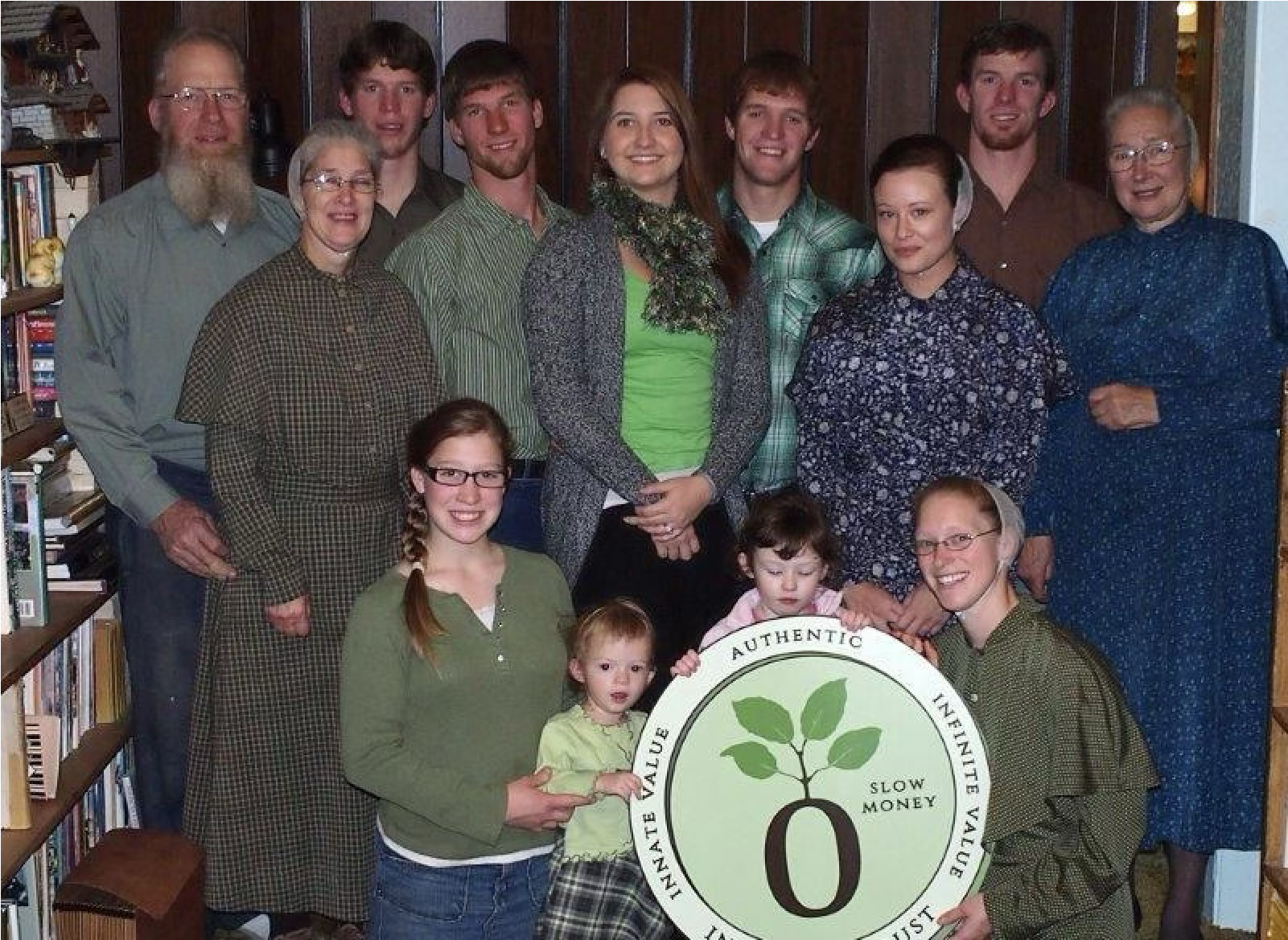
I’ll never forget the first time I witnessed a farmer (who had donated $25) sitting next to an ultra-high-net-worth angel investor (who had donated $50,000), each raising their hand to vote on a 0% loan to a local food entrepreneur who had just made a presentation.  The smiles were contagious.

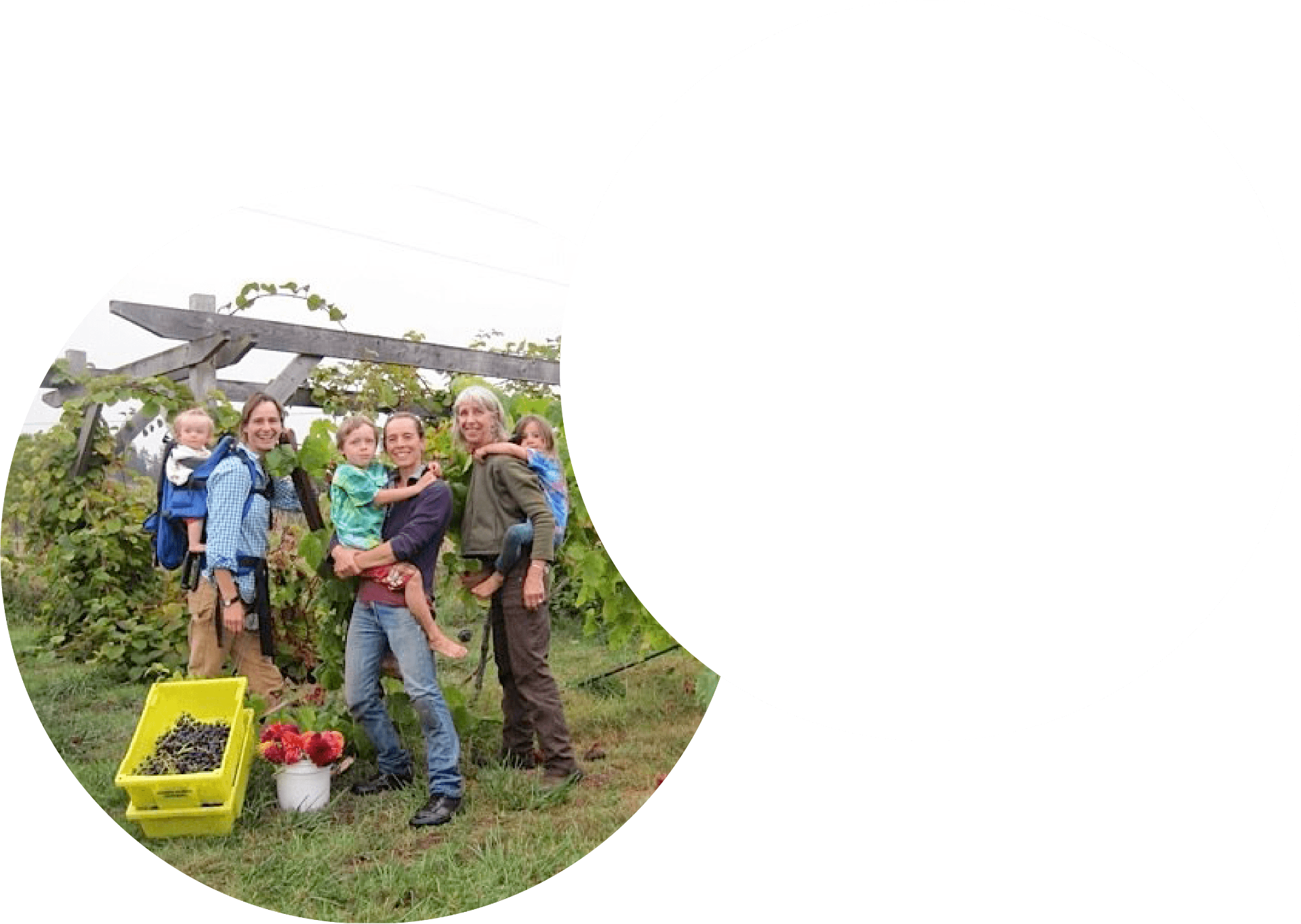
A few years later, those smiles led to these smiles, half way across the country:

Mutually Assured Affection

Go on. Smile. Then roll up your sleeves and join us. There's healing to be done 

give a buck

Juniper Farm is one of nearly 100 Virginia-based food and farming enterprises that have received a 0% loan. 

If the phrase Mutually Assured Affection seems to be as much about peace as it is about food, that’s because it is. 

Consider this, from Inquiries into the Nature of Slow Money: Investing as if Food, Farms and Fertility Mattered (2008): 

If we are to rediscover meta-economics, then it will be found through a reaffirmation of the primacy of nonviolence and beauty. 

In all our actions, especially those that relate to the management of wealth and the making of the enterprises and the products that occupy, and define, so much of our waking hours, we must keep our attention on nonviolence and beauty. 

Products produced cheaply create ugly work lives and ugly households and ugly communities. Profits produced quickly cannot purchase patience and care. Patience is beautiful. Restraint and care are beautiful. Peace is beautiful. A small, diversified organic farm is beautiful. 

There is nothing beautiful in the idea that we will only do no harm if we can, in so doing, make as much money as is generated in the doing of harm. 

Today, with wars raging, distrust and speculation rampant, populism and fundamentalism rearing their ugly heads, and climate reminding us daily that we are approaching the ecological point of no return, we are called to address, anew, the roots of violence and the possibilities for healing and peace.  

There is no more fundamental, more tangible place to begin than with how we grow food, how we feed one another, how we tend the land and care for the places where we live.  

Sincerely, 
Woody Tasch